

KEY POINTS
-
Ghana says 96 health facilities are under construction across the Ashanti Region.
-
Projects include a breast care centre, paediatric clinic and cardiac treatment infrastructure.
-
Authorities aim to improve early breast cancer detection and bring healthcare services closer to communities.
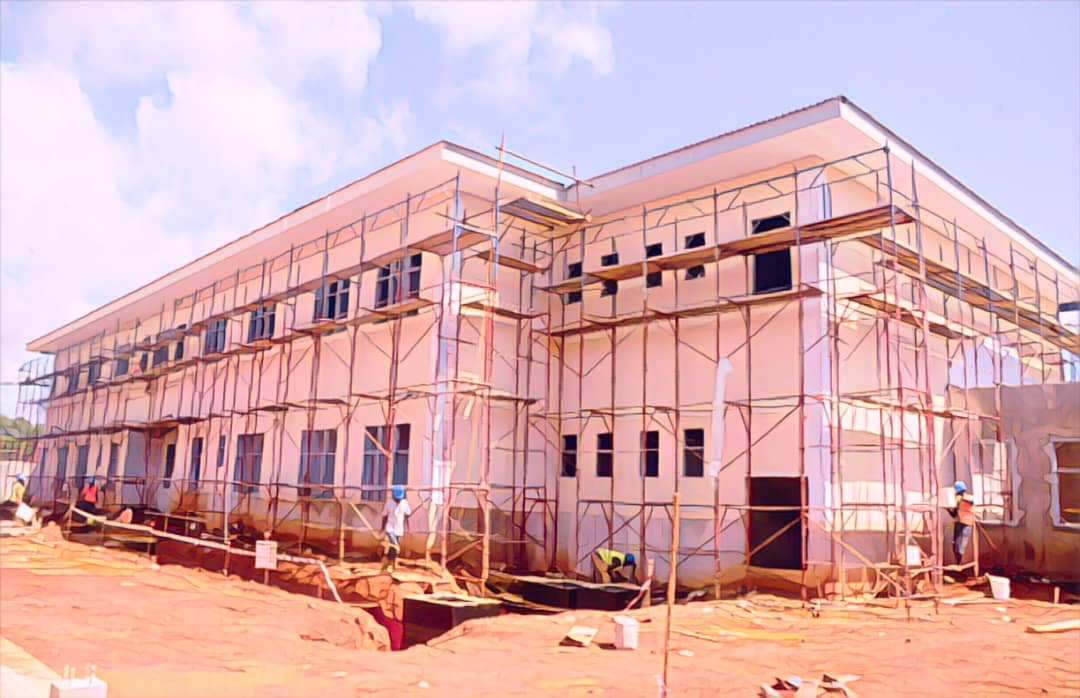
Ghana is undertaking the construction of 96 health facilities across the Ashanti Region as the government seeks to expand healthcare access and bring essential medical services closer to communities.
Ashanti Regional Minister Dr Frank Amoakohene announced the projects on Tuesday, October 20, 2026, saying the facilities were being developed across various metropolitan, municipal and district assemblies in the region.
The announcement comes as the government pursues investments in specialised healthcare, including cancer diagnosis and treatment, cardiac care and improvements to existing medical institutions.
According to Amoakohene, the projects form part of efforts to decentralise healthcare delivery, reduce pressure on major hospitals and ensure residents can access medical services closer to where they live.
Kumasi gets three major healthcare projects
The Kumasi Metropolitan Assembly is undertaking three key projects: a paediatric clinic at the KMA Health Centre, a health facility at Moshie Zongo and a Breast Care Centre at Komfo Anokye Teaching Hospital (KATH).
The regional minister made the announcement during a sod-cutting ceremony for the new Breast Care Centre at KATH, one of Ghana’s major referral hospitals.
The centre is expected to strengthen the hospital’s capacity to address breast cancer through improved diagnosis and care. The announcement is particularly significant given the number of suspected breast cancer cases recorded at the facility each year.
Amoakohene said KATH records nearly 1,700 suspected breast cancer cases annually, with about 14 per cent confirmed through histological examination, a laboratory process used to examine tissue and establish a diagnosis.
He expressed concern that many patients seek medical attention only after the disease has reached an advanced stage, limiting the opportunities for early intervention.
Government targets earlier breast cancer diagnosis
The regional minister said Ghana aims to detect 60 per cent of breast cancer cases at Stages I and II, ensure diagnosis within 60 days and provide multidisciplinary care to 80 per cent of patients.
Detecting breast cancer at an earlier stage can improve treatment options and outcomes. Faster diagnosis can also help patients begin appropriate care sooner, while multidisciplinary treatment allows specialists to coordinate different aspects of a patient’s management.
Amoakohene stressed the importance of public awareness and regular screening, particularly for people aged 40 and above. He added that screening schedules should take account of individual risk factors and family medical history.
The proposed Breast Care Centre is therefore part of a wider effort to improve how breast cancer is detected and managed, although the report did not specify its construction cost, completion date or expected treatment capacity.
More investment planned for specialised healthcare
Beyond the projects in Kumasi, the regional minister highlighted other health investments in the Ashanti Region, including a cardiac catheterisation laboratory at KATH, construction work at the KNUST Medical Centre and progress on the Sewua Hospital project.
A cardiac catheterisation laboratory supports procedures used to diagnose and treat certain heart and blood vessel conditions. Its development could strengthen access to specialised cardiac services in the region.
The ongoing work at the KNUST Medical Centre and Sewua Hospital also forms part of the broader infrastructure drive aimed at improving healthcare provision.
However, the announcement did not provide a project-by-project breakdown of all 96 facilities, their individual budgets or their expected completion dates. It also did not establish how many of the projects are close to becoming operational.
The key test will be whether construction translates into functioning facilities equipped with medical staff, essential equipment and reliable funding. Infrastructure expansion alone does not guarantee improved healthcare if hospitals and clinics cannot provide the services for which they were built.
Amoakohene reaffirmed the government’s commitment to developing a healthcare system that is accessible, responsive and equitable. Officials from KATH, traditional authorities and members of the public attended the ceremony for the Breast Care Centre.