

KEY POINTS
-
Ato Forson says Ghana’s recovery must deliver jobs and higher incomes.
-
The New Economy agenda prioritises local production, exports and investment.
-
Public investment is expected to help businesses expand and employ more people.
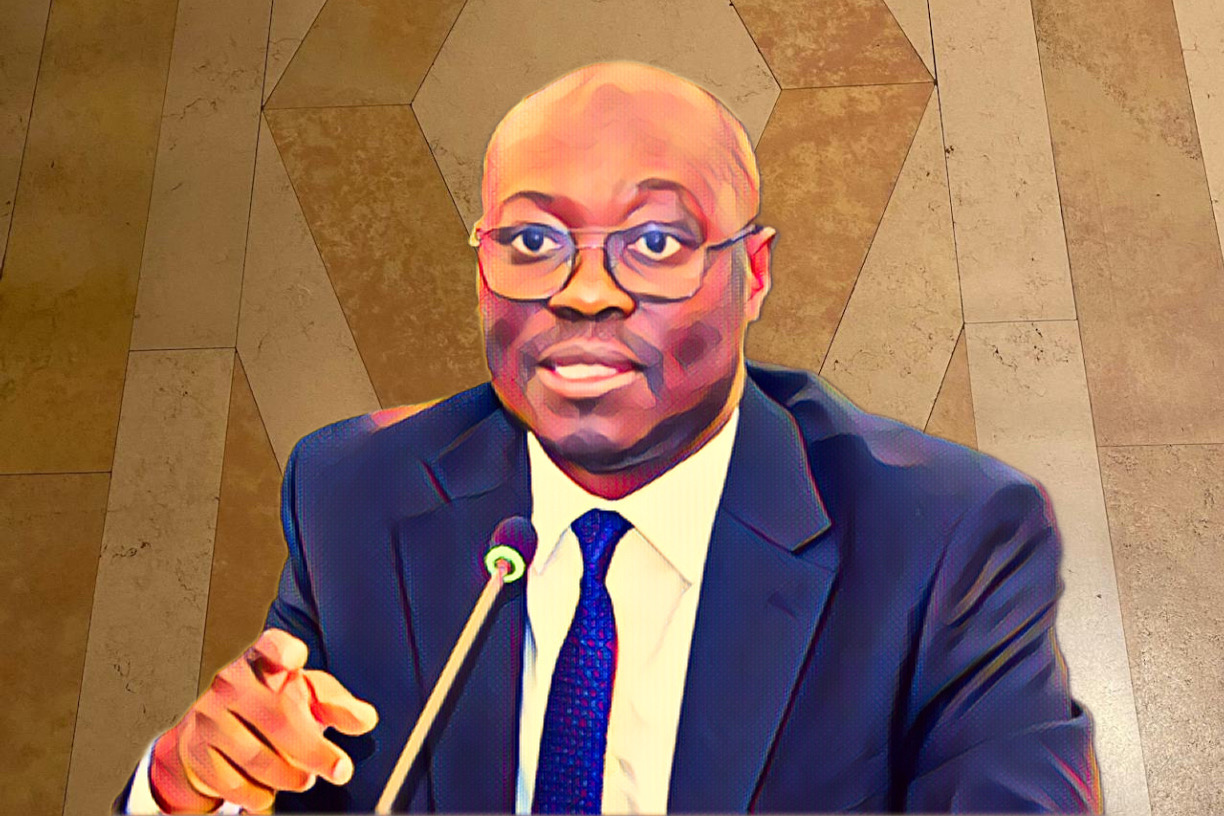
Ghana’s Finance Minister, Dr Cassiel Ato Forson, says the country must turn its economy into decent jobs, higher incomes and stronger domestic production, stressing that restoring economic stability is only the first step towards improving living standards.
Speaking during an engagement with faculty members and students at the University of Ghana, Forson said the government’s proposed “New Economy” agenda would seek to convert the sacrifices made to stabilise the economy into tangible benefits for citizens.
“Stabilisation was never the destination. It was the price of entry,” he said, explaining that the next phase of the country’s economic programme must deliver practical improvements in people’s lives.
Economic recovery must improve living standards
Forson acknowledged progress in restoring confidence in Ghana’s economy, pointing to easing inflation, returning confidence and efforts to manage debt pressures.
However, he argued that these developments would not be sufficient unless they translated into better employment opportunities, stronger businesses and improved household incomes.
According to the minister, the country must now move beyond stabilisation and focus on building an economy capable of generating lasting opportunities for its people.
He said the next phase would prioritise production, exports, investment and decent employment, with the goal of ensuring that the benefits of economic recovery reach ordinary Ghanaians.
Focus shifts to local production and exports
The New Economy agenda is intended to strengthen Ghana’s productive capacity by encouraging the country to manufacture more of the goods it consumes and increase the value derived from its agricultural and mineral resources.
Under this approach, locally produced agricultural commodities and mined resources would be processed further to create more value within Ghana before being sold domestically or exported.
Expanding these activities could create opportunities for businesses across manufacturing, agriculture and processing, while supporting employment and reducing reliance on imported goods.
Forson said the broader objective was to build an economy that could generate growth through domestic production and competitiveness rather than relying solely on the gains from economic stabilisation.
Public investment to support businesses
The finance minister also outlined a role for public investment in supporting private-sector growth.
Under the proposed approach, government investment would help create conditions that allow businesses to invest, expand operations and employ more people.
The strategy places emphasis on connecting public spending with productive economic activities that can generate jobs and increase incomes.
However, the extent to which the agenda achieves these goals will depend on its implementation, the scale of investment and whether businesses can expand production and create sustainable employment.
Turning stability into tangible benefits
Forson said the ultimate purpose of the New Economy was to ensure that the sacrifices made during the stabilisation process produced meaningful benefits for the population.
His remarks point to a shift in emphasis from restoring economic stability towards strengthening productive industries and making the recovery more visible in people’s daily lives.
The government’s challenge will be to translate its stated priorities into measurable improvements in employment, business activity and household earnings.
For Forson, the next stage of Ghana’s economic recovery must be judged not only by improvements in economic indicators but also by whether citizens experience better livelihoods and more opportunities.