

KEY POINTS
-
At least 272 Ghanaians have reportedly fought for Russia, with 62 reported dead by mid-August.
-
Investigators found online recruitment campaigns using fake job offers and misleading promises to attract Africans.
-
Ghana is pressing Russia to halt recruitment, while the controversy raises wider questions about bilateral ties and accountability.
Ghana is stepping up efforts to stop Russia from recruiting its citizens to fight in the war against Ukraine, amid growing concerns that young Africans are being deceived by fraudulent employment offers and drawn into military service.
At least 272 Ghanaians have fought for Russia, making Ghana the African country with the third-highest number of reported recruits, according to figures from the INPACT research group cited by Africa Defense Forum. Egypt recorded 361 recruits, while Cameroon had 335.
Other African countries reportedly affected include Algeria, The Gambia, Kenya, Mali, Nigeria and South Africa. Independent tracking agencies estimate that recruitment schemes linked to the war have affected 37 African countries.
Ghana’s government has raised concerns over the number of its citizens involved in the conflict, particularly as reports of deaths continue to emerge. By mid-August, the number of Ghanaians reported killed while fighting for Russia had reached 62.
Ghana urges Moscow to stop recruitment
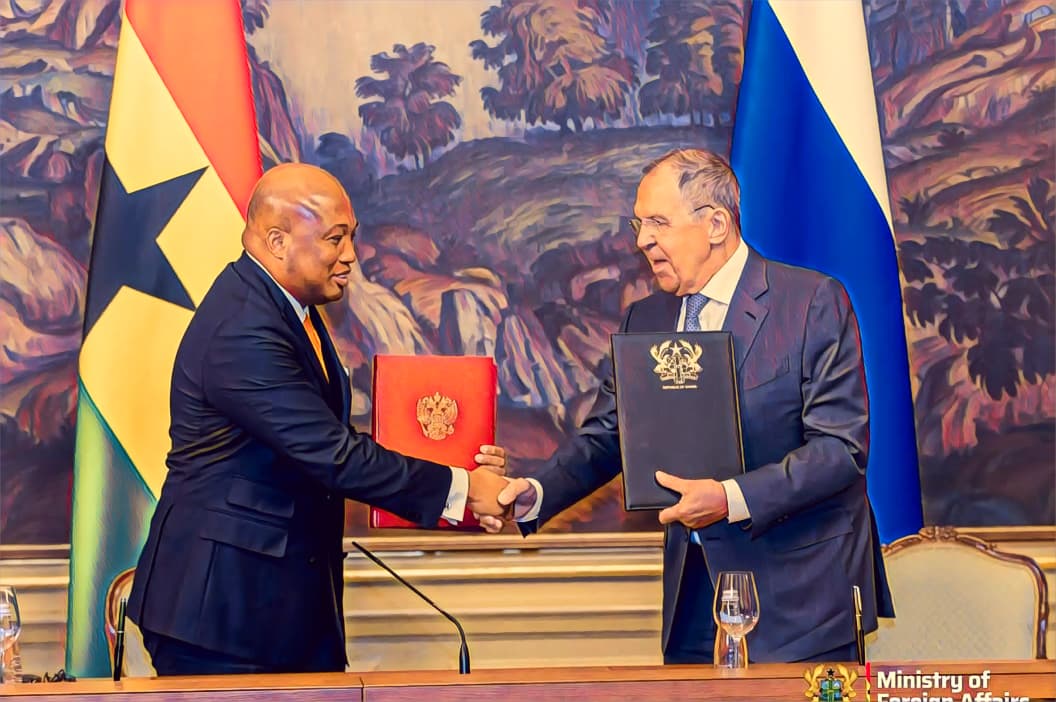
Ghanaian Foreign Affairs Minister Samuel Okudzeto Ablakwa raised the issue during a meeting with Russian Foreign Minister Sergey Lavrov in Moscow, urging Russia to end what Accra describes as the illegal recruitment of Ghanaian citizens.
Ablakwa said the government could not ignore the figures and warned against allowing young Ghanaians to become casualties in a war that does not directly involve their country.
Russia reportedly pledged to stop recruiting Ghanaians, but the practice has continued, raising questions about whether commitments made during diplomatic engagements are being implemented.
Kenyan newspaper The Star questioned the effectiveness of agreements between governments, while Richmond Acheampong, editor-in-chief of Ghanaian digital news platform The International Lens, called for greater transparency from Moscow.
Acheampong argued that Russia should help identify recruitment networks, cooperate with investigations and provide clear information about African nationals serving in its military. He said denying allegations would not be sufficient without evidence of action against deceptive recruitment practices.
Fake job adverts used to attract African recruits
Research by iLAB, the technical investigations team of Code for Africa, found that digital platforms are being used to attract Africans into Russia’s military through misleading advertisements and promises of employment.
The investigation identified websites, fake internet domains and social media profiles allegedly connected to recruitment campaigns originating in Russia and Belarus.
Some adverts offered construction jobs, assistance with visas and even opportunities to work in film productions. Investigators said these offers could draw applicants who were seeking legitimate employment but were subsequently recruited into military service.
The campaigns reportedly relied on false advertising, forged endorsements and promises of generous benefits. Researchers also found that some of the websites shared internet protocol addresses and appeared to operate using a “burn and replace” approach, in which websites are abandoned and replaced to make tracking more difficult.
These findings point to the role online recruitment networks can play in connecting vulnerable jobseekers with military recruiters. They also present a challenge for African governments attempting to identify those behind the schemes and protect citizens before they travel abroad.
The findings cited in the report do not establish that every African national serving in Russia’s military was deceived. However, investigators say the documented recruitment methods raise concerns about fraud and the circumstances under which some people joined.
Recruitment dispute raises questions about Ghana-Russia ties
The controversy has also prompted debate in Ghana about the country’s broader relationship with Russia, including cooperation on defence, infrastructure, energy and natural resources.
European Union Ambassador to Ghana Rune Skinnebach questioned Russia’s reliability as a partner in a September report by Ghanaian newspaper The Diplomatic Times. He cited several projects that he said had not been delivered, including a proposed nuclear power project, a $1 billion Russia Export Centre facility and a $12.5 billion railway linking Accra to Paga.
Acheampong supported calls for greater scrutiny of Russia’s commitments, arguing that diplomatic partnerships should be assessed by whether agreements produce tangible results and whether governments take responsibility when problems arise.
He also said Ghana should apply the same standards to Russia as it does to Western governments and China when evaluating promised investments and infrastructure projects.
The debate comes as Russia seeks to expand its influence across Africa through military partnerships, resource extraction and infrastructure development. The recruitment controversy could therefore add pressure on Ghana to examine not only the treatment of its citizens serving in Russia’s military but also the accountability mechanisms within its wider bilateral relationship.
For Ghana and other affected countries, the immediate challenge is to establish how recruitment networks operate, identify citizens who may have been misled and secure cooperation from Russian authorities. The continued reports of deaths, despite Moscow’s reported pledge to halt recruitment, have intensified calls for concrete action rather than diplomatic assurances alone.