

KEY POINTS
-
Minority Leader Alexander Afenyo-Markin has criticised the removal of five members of Ghana’s Big Six from the country’s redesigned banknotes.
-
He accused the Mahama-led government of failing to recognise the contributions of nationalist leaders, particularly J.B. Danquah.
-
Ghana’s new Heritage Series banknotes feature eight historical figures and are scheduled to enter circulation on December 1, 2026.
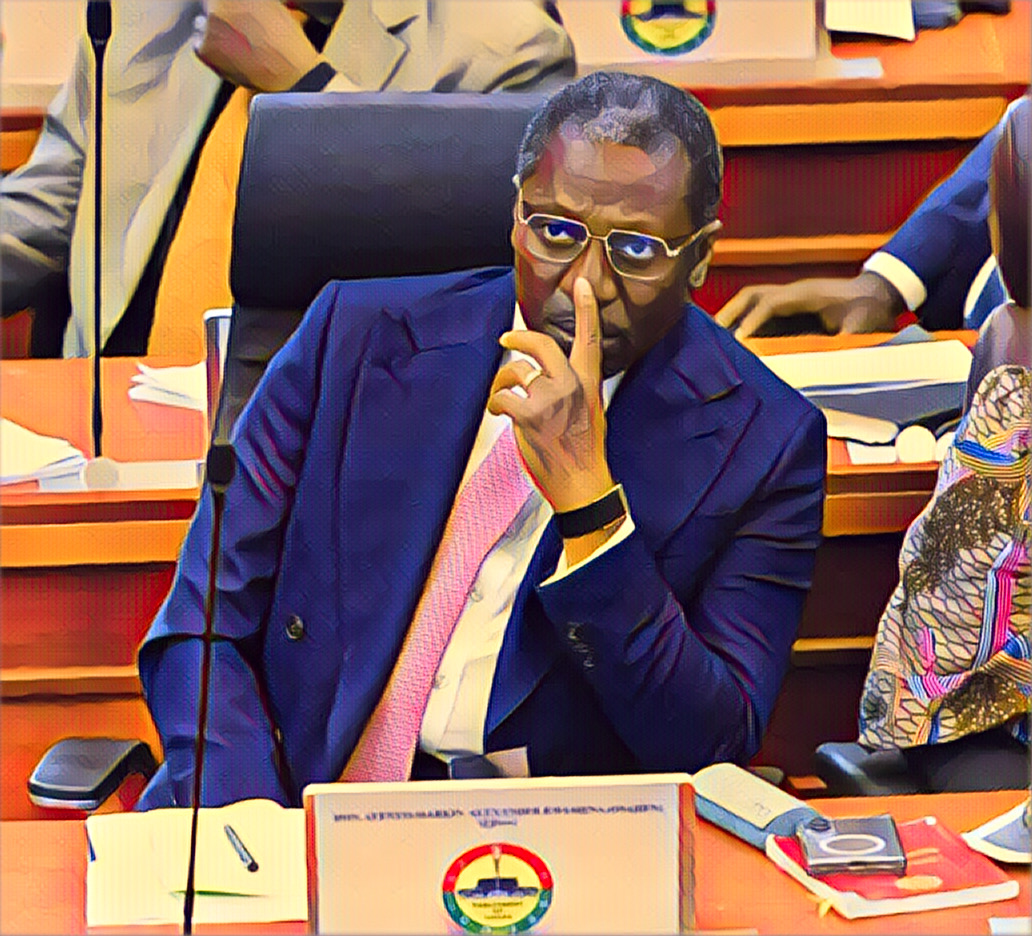
Ghana’s Minority Leader, Alexander Afenyo-Markin, has criticised the government over the removal of five members of the country’s historic Big Six from the newly introduced banknotes.
In a Facebook post on Sunday, November 15, the Effutu MP questioned why only Ghana’s first President, Kwame Nkrumah, was retained among the six nationalist leaders previously featured on the country’s currency.
His criticism comes as Ghana prepares to mark its 70th Independence Anniversary.
Afenyo-Markin argued that the Big Six played important roles in the country’s struggle for independence through their involvement in the United Gold Coast Convention (UGCC) and their subsequent detention following the 1948 disturbances.
He maintained that their contributions to Ghana’s nationalist movement predated the establishment of both the New Patriotic Party (NPP) and the National Democratic Congress (NDC), making their recognition a national issue rather than a partisan one.
Minority Leader recalls history of Big Six on banknotes
Afenyo-Markin recalled that the collective image of the six nationalist leaders appeared on Ghana’s redenominated banknotes introduced in 2007 under former President John Agyekum Kufuor.
He noted that the subsequent introduction of the GH¢2 note bearing Nkrumah’s portrait under the Mills administration did not lead to the removal of the Big Six from other banknote denominations.
The Minority Leader questioned why the government could not introduce additional historical figures on the redesigned currency while retaining personalities already recognised for their contributions to the country’s independence.
He argued that the removal of the five leaders from the new banknotes would not diminish their place in Ghana’s history.
Afenyo-Markin calls for recognition of J.B. Danquah
The Effutu MP also called for greater recognition of other prominent figures in Ghana’s political and independence history, particularly J.B. Danquah and Chief Simon Diedong Dombo.
He specifically criticised what he described as the government’s unwillingness to acknowledge Danquah’s contribution to the adoption of the name Ghana for the independent Gold Coast.
According to Afenyo-Markin, Danquah’s research and advocacy helped persuade members of the UGCC and the wider nationalist movement to embrace the name.
He said Nkrumah’s government eventually adopted the name despite the political differences between the two leaders.
“We can celebrate the designer of our flag and the composer of ‘Yɛn Ara Asaase Ni’, but are unwilling to recognise the man who proposed the name Ghana for an independent Gold Coast,” he said.
Afenyo-Markin urged current political leaders to recognise contributions to the country’s development regardless of the political affiliations of the individuals involved.
Details of Ghana’s new Heritage Series banknotes
The criticism follows the Bank of Ghana’s unveiling of its redesigned Heritage Series banknotes on Thursday, November 12, 2026.
The new currency features eight prominent Ghanaian personalities across different denominations, with Nkrumah appearing on the GH¢200 note.