

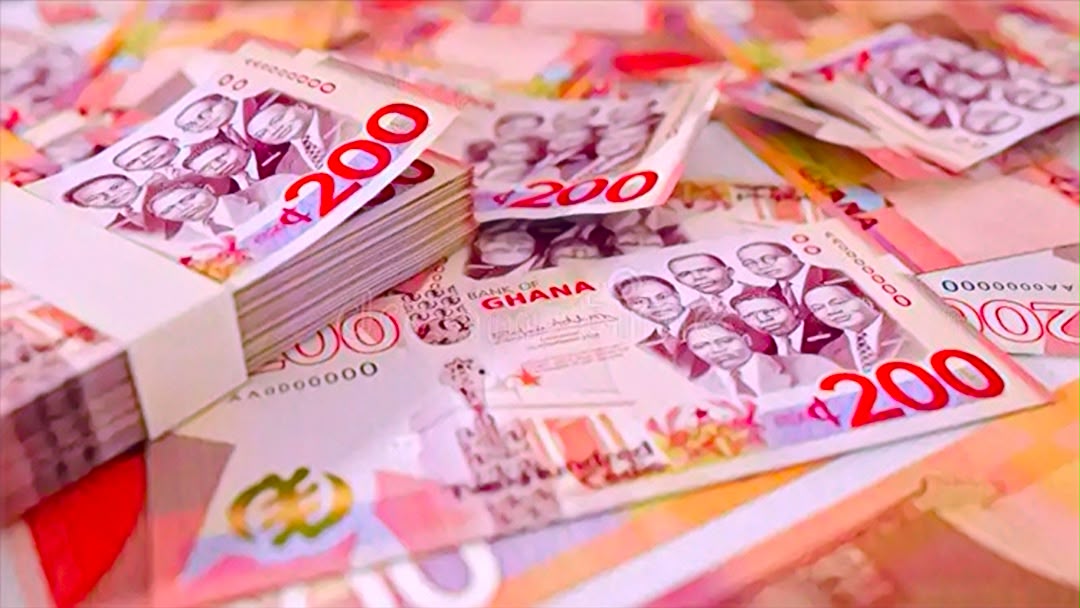
Ghana’s cedi lost 1.4% against the U.S. dollar over the past two weeks as importers scrambled for dollars ahead of the festive season, deepening a slide that has now topped 11% this year.
On the interbank market, the currency slipped 1.42% to about 11.8 cedis per dollar. At forex bureaus, the cedi fell 1.45%, with the dollar averaging 12.10 cedis, according to figures reported by Ghanaian outlets this week. Against other major currencies the picture was mixed. The cedi dropped 1.29% against the British pound on the interbank market but gained 0.35% against the euro.
Databank Research, the only analyst quoted in those reports, pointed to three sources of pressure. Import demand has stayed heavy ahead of the holidays. Energy costs are higher. And the supply of dollars, while it rises now and then, has not been enough to cover what buyers want.
Relief may arrive, though probably not for long. Databank said spot gold sales by the Ghana Gold Board, known as GoldBod, and interventions by the Bank of Ghana could set off a sharp but short recovery, with roughly four to five days of calm. It expects the dollar to trade between 11.60 and 12.10 cedis in the near term, with 12 cedis a likely ceiling. Further weakness is possible if energy costs and import demand outrun that support.
Anything lasting depends on a balancing act. Dollar inflows have to meet seasonal demand without undermining the central bank’s push to build reserves, Databank said.
The Bank of Ghana has struck a calmer tone. In its latest monetary report, it said it expects the cedi to stay relatively stable through the rest of 2026, with remittances and market intermediation easing pressure even as importers hunt for dollars before December. It planned to supply about $500 million to the market in September, while GoldBod targeted $1.4 billion in foreign exchange receipts that month, split evenly between commercial banks and the central bank’s reserves. The Bank of Ghana said it stands ready to step in to keep trading orderly.
Databank’s mid-year outlook, published in September, sees the cedi ending the year at about 12.20 per dollar. The firm cited stronger inflows, gold mobilization and a favorable balance of payments. It expects heavy central bank intervention from September through November, in the range of $1.2 billion to $1.5 billion, and reserves staying above five months of import cover.
The slide is a sharp turn from a year ago. Central bank data showed the cedi lost 7.9% against the dollar in the first half of 2026, after gaining 42.6% over the same stretch of 2025.
For businesses that rely on imports, a weaker cedi means higher operating costs and more pressure on prices if the weakness holds.