

KEY POINTS
- George Weah is reportedly considering a bid for the CAF presidency in 2029.
- Patrice Motsepe’s second term runs until 2029.
- Samuel Eto’o and other football administrators have also emerged as possible contenders.
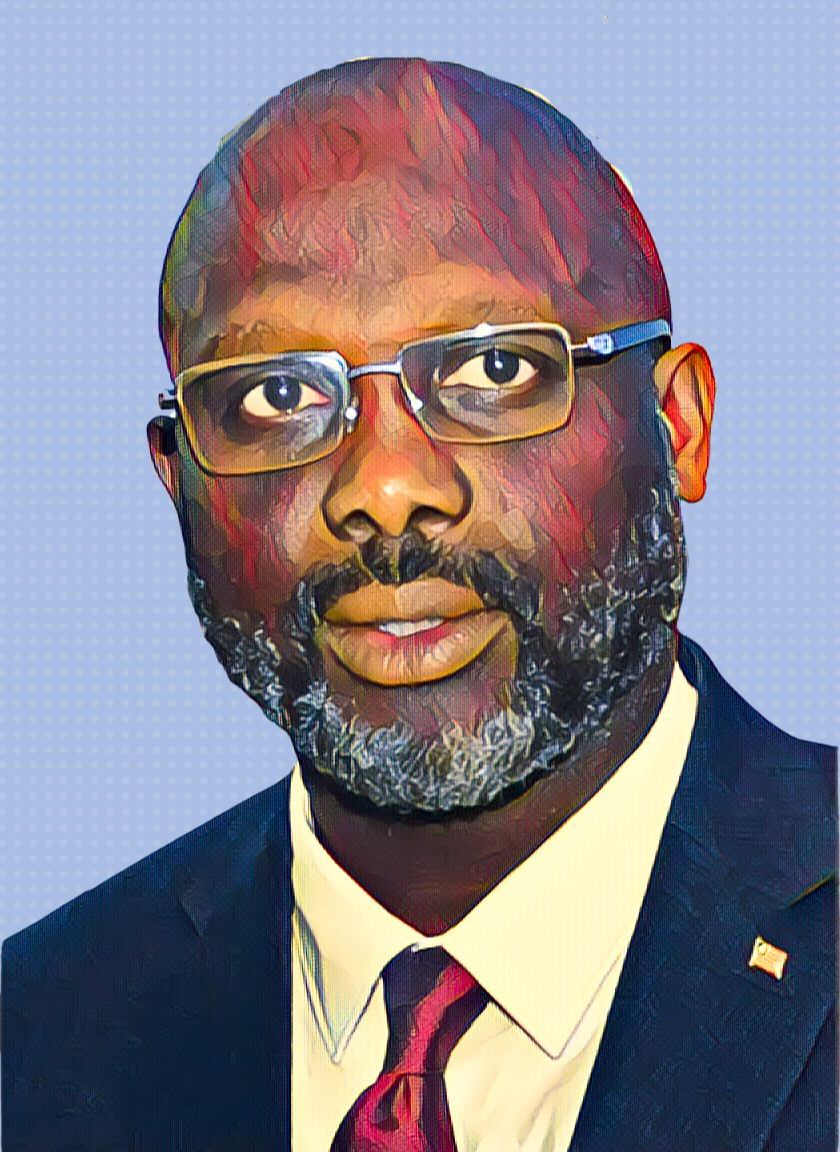
Former Liberian president George Weah has emerged as a potential candidate to succeed Patrice Motsepe as president of the Confederation of African Football when the position becomes vacant in 2029. According to a report by Eyewitness News, sources close to Weah have indicated that he is considering a bid, although he has not publicly declared an intention to contest the election.
The possibility introduces a prominent former footballer and political leader into early discussions about the organisation’s next leadership. Motsepe was re-elected unopposed in March 2025 for a second four-year term that runs until 2029. He has indicated that he does not intend to seek a third term, creating the prospect of a succession contest involving figures from across African football administration.
Weah’s football and political background
Weah has a profile that combines an internationally recognised playing career with experience in national political leadership. He remains the only African player to have won the Ballon d’Or, receiving the award in 1995 after an outstanding season in European football. His career included spells with Monaco, Paris Saint-Germain and AC Milan, as well as recognition as FIFA World Player of the Year in the same year. His achievements made him one of the most recognisable African footballers of his generation and gave him an international profile that extended beyond the continent.
Following his retirement from professional football, Weah entered politics and won Liberia’s presidential election in 2017. He served as the country’s president from January 2018 to January 2024, giving him experience in government and international relations. His political career has added another dimension to his public profile, although national political leadership and football administration involve different responsibilities. A CAF presidency would require him to work with national football associations, sponsors, broadcasters and other sporting institutions across the continent.
His international recognition could be an advantage in a campaign focused on strengthening African football’s global standing. CAF’s responsibilities extend beyond organising competitions to include development programmes, financial support for member associations and commercial relationships. A president must therefore manage sporting priorities alongside governance, funding and institutional challenges. Weah’s associates believe his combination of football experience and political background could be valuable, but any potential campaign would still need to demonstrate how he intends to address the confederation’s priorities.
Potential contenders and the 2029 succession
Weah is not the only name being mentioned in early discussions about the next CAF presidency. Other figures linked to the possible succession include Cameroon Football Federation president Samuel Eto’o, Mauritania’s Ahmed Yahya, Côte d’Ivoire Football Federation president Yacine Idriss Diallo and former Djibouti Football Federation president Souleiman Waberi. Names appearing in succession discussions do not, on their own, make these figures confirmed candidates. The election remains some distance away, and prospective contenders would need to decide whether to enter the race and meet the organisation’s eligibility requirements.
CAF’s electoral rules require a presidential candidate to secure written support from at least three member associations, including their own. Candidates must also have held a qualifying position as a player or football official for at least two of the five years preceding the election. These conditions mean that public recognition alone will not be enough to secure the position. Any contender will need to build relationships within the confederation and demonstrate the support required to compete for the presidency.
Motsepe’s successor will inherit an organisation seeking to strengthen its commercial position, increase revenue and provide greater support to member associations. The next president will also face expectations concerning club development, youth football, domestic leagues and the distribution of resources across the continent. If Weah decides to contest, his candidacy would bring considerable public visibility to the race. However, the outcome will depend on the support he can secure among CAF’s member associations and the strength of the programme he presents to African football stakeholders.