

KEY POINTS
-
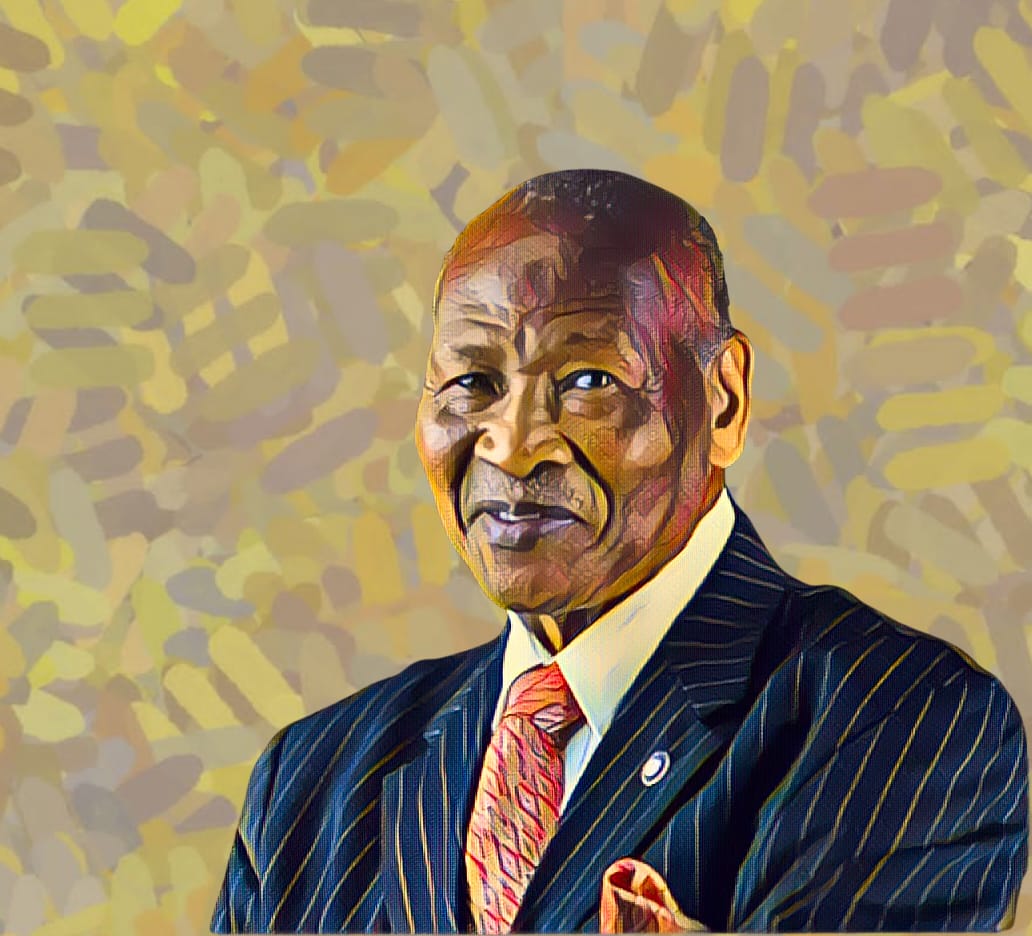
Sam Okudzeto says Ghana’s New Economy Policy must tackle the shortage of job-ready skills and the country’s reliance on imported goods.
-
He argues that stronger local production and skills development are essential for sustainable economic growth.
-
His comments underline the need to connect education, workforce training and industrial development with Ghana’s economic priorities.
Ghana’s proposed New Economy Policy must go beyond investment and job creation to address the country’s skills gap and dependence on imported goods, according to Sam Okudzeto.
Okudzeto’s position highlights two challenges that could limit the impact of the government’s economic transformation plans: a workforce that may lack the skills required by employers and an economy that relies heavily on goods produced outside the country.
The policy is intended to support economic growth and create employment opportunities. However, addressing the underlying weaknesses in education, vocational training and domestic production will be important to ensuring that its benefits reach more Ghanaians.
Reducing import dependence could also help strengthen local industries, create jobs and retain a greater share of economic value within the country.
Skills Gap Raises Questions About Education and Employment
One of the key issues raised by Okudzeto is the mismatch between the skills available in Ghana’s workforce and those required by employers.
A skills gap can emerge when graduates leave schools and universities without the practical, technical or professional abilities needed to perform available jobs. This can make it difficult for businesses to recruit suitable workers, even when unemployment remains high.
Addressing the problem requires closer cooperation between educational institutions, employers and policymakers.
Schools and universities may need to strengthen practical learning, technical education and industry-focused training to prepare students for changing workplace demands. Businesses can also help by identifying the competencies they need and working with educational institutions to develop relevant programmes.
In a comment published alongside the report, a reader identified as Yabi Yabi argued that the response should begin within Ghana’s mainstream education system. The commenter suggested reviewing school curricula so that students acquire relevant skills before completing their education, rather than relying mainly on training programmes outside the formal system.
The argument reflects a wider debate over whether Ghana should place greater emphasis on integrating employable skills into its existing educational structure.
Import Dependence Could Limit Local Industrial Growth
Another challenge is Ghana’s reliance on imported goods, which can expose businesses and consumers to exchange-rate movements, international price changes and disruptions to global supply chains.
When locally produced goods cannot compete with imports on price, quality or availability, domestic businesses may struggle to expand. This can limit opportunities for employment, investment and the development of local expertise.
Reducing this dependence does not necessarily mean eliminating imports. Ghana will continue to need certain machinery, industrial inputs, technology and other products from abroad. The broader objective is to increase the country’s capacity to produce goods that can be manufactured competitively at home.
Such a shift would require reliable infrastructure, access to finance, improved technology, skilled workers and policies that support local manufacturers.
Greater domestic production could also help Ghanaian businesses develop stronger supply chains and expand into regional markets.
Policy Implementation Will Be Critical
For the New Economy Policy to deliver lasting results, its ambitions will need to be matched by practical measures that address these structural challenges.
Investment in education and vocational training could help employers find qualified workers, while closer links between training institutions and businesses could ensure that programmes respond to actual labour-market needs.
At the same time, support for domestic industries could help businesses improve productivity and compete with imported products. Measures to improve access to electricity, transport, finance and modern production equipment would also be important.
The government will need to assess progress using measurable indicators, including employment outcomes, the availability of skilled workers, growth in domestic manufacturing and changes in the country’s reliance on imports.
Ultimately, the effectiveness of Ghana’s New Economy Policy will depend not only on how much money is invested but also on whether the investment strengthens the country’s productive capacity.
By addressing the skills gap and import dependence together, Ghana could improve employment prospects while laying a stronger foundation for sustainable economic growth.