

KEY POINTS
-
William Nyarko has called for a comprehensive campaign financing law to tackle vote buying and the growing cost of politics in Ghana.
-
A proposed law seeks to establish an independent authority to regulate political donations, campaign spending and financial reporting.
-
The proposal includes spending limits, donor restrictions and a public campaign fund to reduce politicians’ dependence on wealthy financiers.
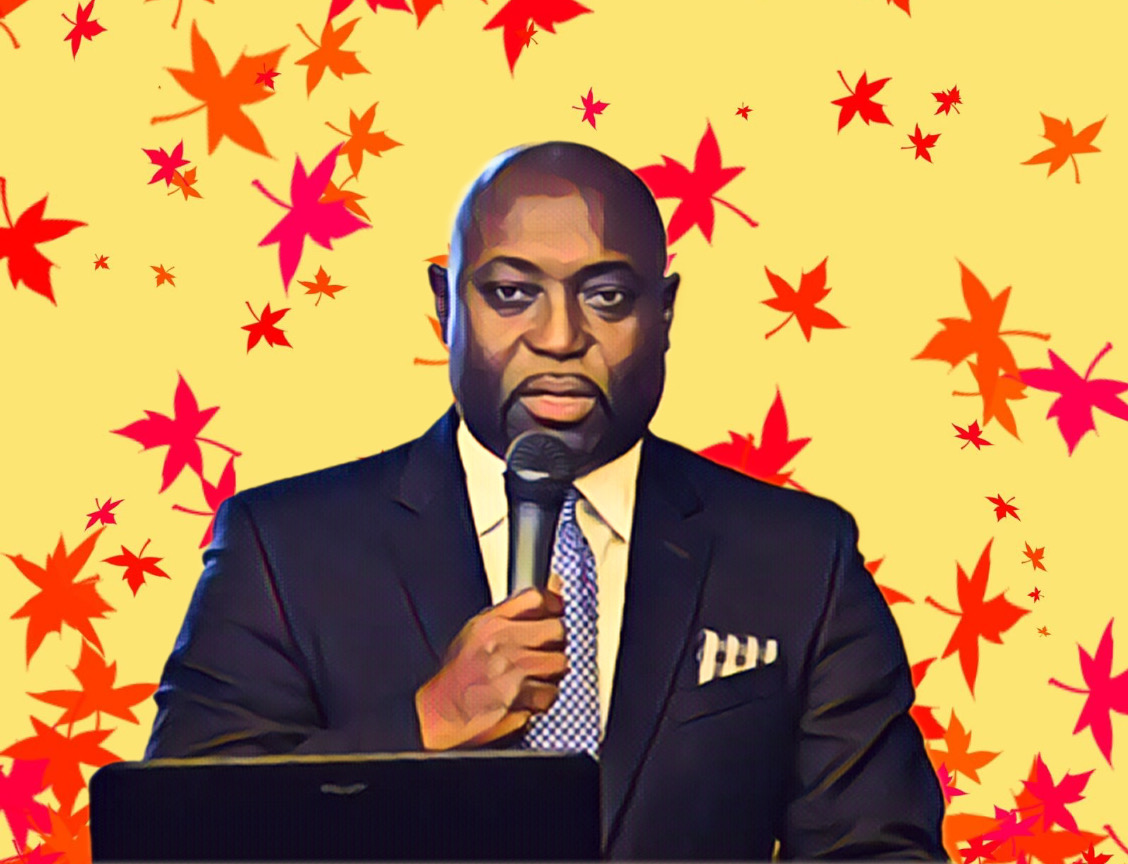
William Nyarko, Executive Director of the Africa Centre for International Law and Accountability (ACILA), has called on Ghana to enact comprehensive campaign financing legislation to address vote buying, the monetisation of politics and the growing influence of wealthy individuals on political parties and candidates.
Nyarko made the call on Thursday during a high-level roundtable on political financing at Parliament House in Accra, where he presented a proposed model legislation outlining measures to regulate political contributions and campaign expenditure.
He said the absence of a dedicated legal framework for campaign financing had created loopholes in Ghana’s political finance system, weakening electoral fairness, accountability and the integrity of public office.
The proposed Draft Model Law on Campaign Financing, developed by the Centre for Democratic Development Ghana (CDD-Ghana), seeks to introduce stronger transparency requirements, regulate political donations and spending, and prevent the misuse of state resources for election campaigns.
Proposed law seeks independent regulatory authority
The draft legislation proposes the establishment of an Independent Electoral Financing and Enforcement Authority (IEFEA) to oversee political party and campaign financing.
The proposed authority would be empowered to monitor campaign expenditure, investigate financial violations, conduct audits, subpoena witnesses, impose administrative sanctions and refer cases for prosecution.
The legislation would also require candidates to operate designated campaign bank accounts through which all campaign-related financial transactions must be conducted.
Candidates would be required to submit preliminary financial reports within 21 days of nomination and final reports within three months after elections.
Other proposed measures include campaign expenditure limits, restrictions on political contributions, mandatory disclosure of donors and a prohibition on anonymous donations above a prescribed threshold.
The draft also proposes limiting contributions from a single source to five per cent of a candidate’s or campaign’s total contributions.
Campaign financing linked to corruption and exclusion
Nyarko identified the rising cost of political campaigns, unregulated funding sources, vote buying and selling, weak financial disclosure requirements and the absence of spending limits as major challenges facing Ghana’s political system.
Although the 1992 Constitution and the Political Parties Act, 2000 (Act 574), provide a legal foundation for regulating political parties, he said the country lacked specific provisions governing campaign financing.
These gaps include the absence of clearly defined campaign periods, expenditure ceilings, mandatory financial reporting by candidates and effective donor identification requirements.
He also pointed to insufficient restrictions on the use of state resources for campaigning and weaknesses in enforcement and sanctions.
Nyarko warned that the growing monetisation of politics could undermine democratic participation by making it difficult for women, young people and persons with disabilities to compete for political office.
He said the increasing influence of wealthy political financiers could concentrate political power among individuals with substantial financial resources and create a system in which public office becomes accessible mainly to those able to spend the most.
He added that financial obligations candidates incur during elections could encourage inflated government contracts, corruption and the diversion of public resources to repay political sponsors.
Proposed public fund to reduce dependence on wealthy donors
The model legislation also proposes the establishment of a public campaign fund to reduce candidates’ reliance on private financiers.
Under the proposal, candidates who secure at least five per cent of the total votes cast would qualify for reimbursement of GH¢10 for every vote received.
Other provisions include equal access to the media, regulation of candidate filing fees, organising party primaries without costs to parties or candidates, and sanctions for the abuse of incumbency.
Nyarko said the proposed legislation was intended to translate Ghana’s existing constitutional, statutory and international commitments into an enforceable legal framework.
He cited Article 55 of the 1992 Constitution, Article 7(3) of the United Nations Convention against Corruption (UNCAC), Resolution 11/7 adopted by the UNCAC Conference of States Parties, and Article 10 of the African Union Convention on Preventing and Combating Corruption as important foundations for the reforms.
He also referenced recommendations by the Constitutional Review Commission, chaired by Professor Henry Kwasi Prempeh, which called for an independent regulator of political parties and campaigns, campaign expenditure regulation, external audits, sanctions for abuse of incumbency and the establishment of a Democracy Fund.
Parliament backs discussions on political finance reforms
The roundtable was organised by Parliament with support from the United Nations Office on Drugs and Crime (UNODC), CDD-Ghana, the Commission on Human Rights and Administrative Justice (CHRAJ) and the Open Government Partnership (OGP) Parliamentary Caucus.
The meeting sought to build consensus on reforms to Ghana’s political financing laws and identify practical steps towards implementation.
Speaking on behalf of the Speaker of Parliament, Alban Bagbin, First Deputy Speaker Bernard Ahiafor said the increasing cost of political competition was creating financial pressures that could undermine democratic representation.
He noted that political parties were becoming increasingly dependent on wealthy individuals and corporate sponsors as the costs of internal elections, national campaigns, rallies and constituency activities continued to rise.
Ahiafor warned that such relationships could compromise the independence of political parties and elected officials, particularly when donations were accompanied by expectations of government favours or privileged access.
He called for a regulatory framework that would establish clear limits on political donations and campaign spending, require greater financial disclosure and introduce independent audits and stronger enforcement mechanisms.
OGP Caucus seeks legislative action
The Chairman of the OGP Parliamentary Caucus, Emmanuel Kwasi Bedzrah, said Parliament would contribute to the reform process through memoranda and recommendations when the relevant proposals were considered.
He called for political finance transparency to be included in Ghana’s Sixth Open Government Partnership National Action Plan, arguing that accountability in public life should also cover how political parties and candidates raise money to pursue power.
Bedzrah said the Caucus would work with the African Parliamentarians Network Against Corruption (APNAC) and relevant parliamentary committees to advance the necessary legislative changes.
He expressed hope that the roundtable would produce a practical implementation roadmap rather than end with broad recommendations.
Stakeholders call for greater political inclusion
CDD-Ghana’s Director of Advocacy and Policy Engagement, Kojo Asante, said the rising cost of elections was placing considerable pressure on parliamentary candidates and elected representatives.
He argued that political financing was also a democratic inclusion issue because the financial demands of seeking office could prevent qualified individuals from competing on equal terms.
Asante said reforms should address both the regulation of political money and the barriers created by wealth.
UNODC Advisor Isatou Batonon said transparency in the financing of political parties, candidates and campaigns was necessary to protect electoral integrity and reduce opportunities for corruption.
She welcomed Ghana’s role in promoting Resolution 11/7 and efforts to translate its international commitments into domestic legislation.
CHRAJ Commissioner Joseph Akanjolenur Whittal also stressed the importance of implementation, saying the resolution’s objectives would only be achieved when countries adopted enforceable laws and established institutions capable of ensuring compliance.
Ghana’s international commitments drive reform discussions
Minister for Public Sector Reforms Lydia Lamisi Akanvariba recalled Ghana’s collaboration with Norway, Albania and Mongolia in sponsoring Resolution 11/7 at the 11th Conference of States Parties to UNCAC in Doha, Qatar, in December 2025.
The resolution, subsequently adopted, calls for greater transparency in the financing of political parties, candidates for elected office and election campaigns as part of broader efforts to prevent and combat corruption.
Participants also discussed the emerging African Union Model Law on political finance, which they identified as a possible guide for Ghana’s own regulatory framework.
The meeting followed an earlier roundtable held on August 17, 2026, as stakeholders continued efforts to translate international commitments and domestic reform proposals into a coherent legal and institutional framework for political financing.