KEY POINTS
- Ghana has paid $25 million to meet its 2025 vaccine financing obligation, ensuring uninterrupted immunisation nationwide.
- UNICEF praised the move and urged continued progress in Ghana’s shift toward domestic vaccine self-financing.
- The payment strengthens Ghana’s healthcare system and positions it as a regional leader in preventative public health.
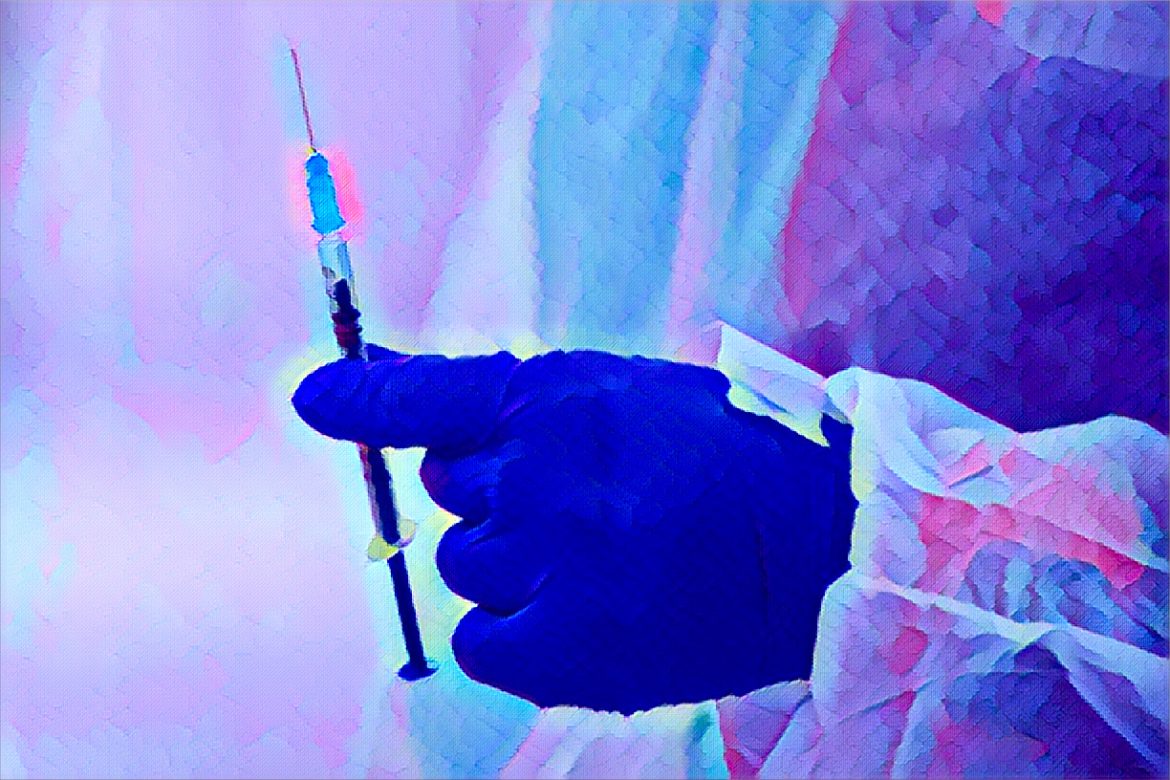
Ghana has fulfilled its vaccine co-financing commitment for 2025 by making a full payment of $25 million, a significant milestone in the country’s efforts to ensure widespread immunisation coverage and strengthen its health system.
This payment, made under Ghana’s national immunisation programme, secures the supply of critical vaccines for the year and reflects the government’s strong commitment to child health.
The United Nations Children’s Fund (UNICEF) Ghana has praised the government’s timely intervention. “This full payment reflects a commendable prioritisation of child health,” said Osama Makkawi Khogali, UNICEF Representative in Ghana. “By investing in immunisation, the government is ensuring that every Ghanaian child—regardless of location—is protected from vaccine-preventable diseases.”
The $25 million payment ensures an uninterrupted vaccine supply, prevents potential shortages, and helps maintain vital herd immunity across the country. It also symbolizes Ghana’s return to pre-pandemic performance in vaccine financing. In 2022, delays in co-financing payments were recorded due to post-COVID-19 economic challenges, increased financial obligations, and limited fiscal flexibility, especially following the country’s graduation from Gavi support.
Khogali noted that Ghana’s investment is not merely a financial transaction but a strong expression of political will to protect its children. It also provides momentum for the introduction of new vaccines and reinforces the broader health infrastructure, supporting Ghana’s path toward a more resilient and equitable healthcare system.
“It’s a powerful signal that the lives of children are not being left behind in fiscal planning,” he added.
UNICEF urges Ghana to sustain self-financing momentum
The UN agency emphasized the importance of sustaining domestic vaccine financing as Ghana continues along its Transition Roadmap: Towards Self-financing of Immunisation Services. This roadmap outlines how the country will gradually replace donor support with locally sourced funding for vaccine procurement and distribution.
Health economists and public health experts widely regard investment in vaccines as one of the most cost-effective interventions in public health. By meeting this year’s financial obligation, Ghana strengthens its position as a health investment leader in the region. It also sends a clear message that the nation understands prevention is not only better—but also more strategic and fiscally responsible—than cure.
The move aligns with Ghana’s broader goal to improve universal healthcare access and reduce child mortality rates. The Ministry of Health has reiterated that routine immunisation remains central to achieving Sustainable Development Goals (SDGs) related to good health and well-being.
With over 90% of children in Ghana currently immunised against common childhood illnesses such as measles, polio, and tuberculosis, this financial step is expected to further increase coverage and improve disease outbreak preparedness.
UNICEF and other health partners have called on the government to ensure timely future payments and work towards enhanced budgetary allocation for immunisation in subsequent fiscal years.
As the global health landscape shifts post-pandemic, Ghana’s decisive vaccine investment sets a precedent for African nations navigating reduced international support and fiscal pressures.