

KEY POINTS
-
Kufuor supports extending presidential terms from four to five years.
-
He insists the two-term limit for presidents should remain.
-
The NPP opposes the proposal, favouring the existing four-year term.
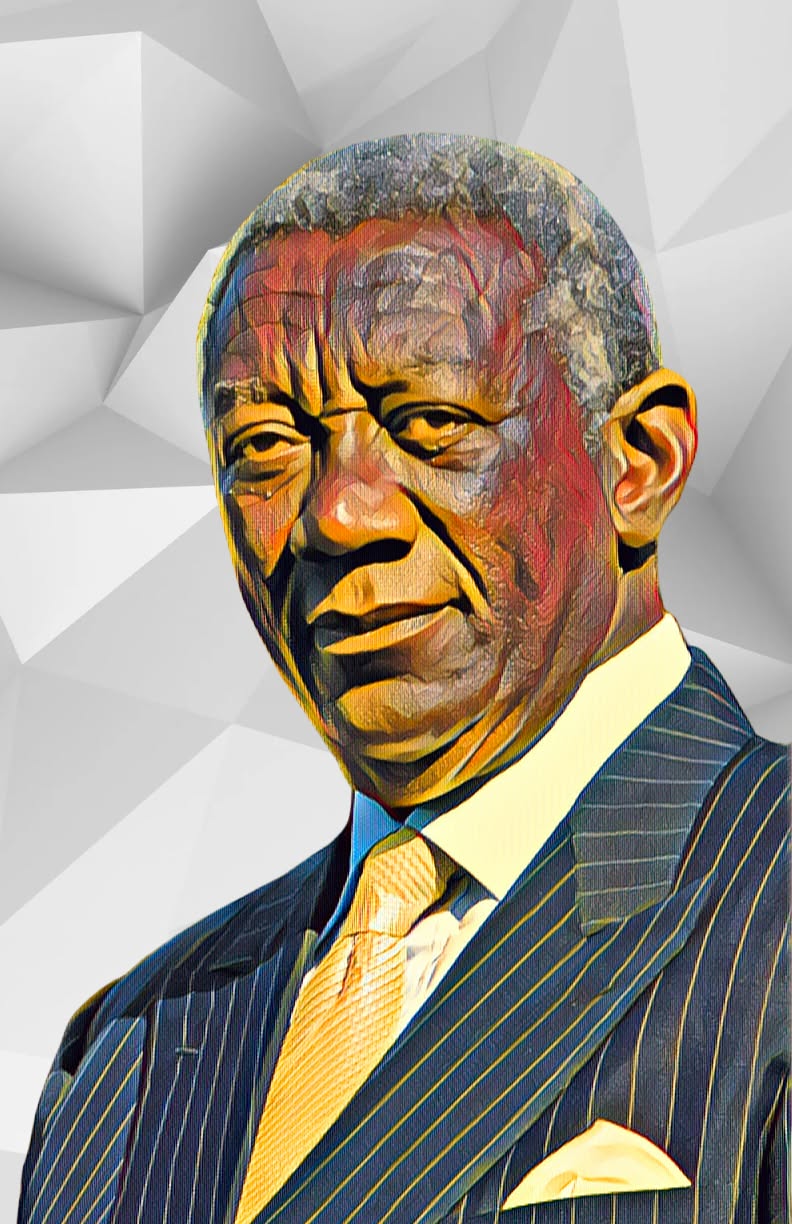
Former Ghanaian President John Agyekum Kufuor has supported a proposal to extend Ghana’s presidential term from four to five years, arguing that the current arrangement gives governments insufficient time to implement their policies and development programmes.
Kufuor said an additional year would allow administrations to focus more effectively on governance before returning to voters for another mandate.
He expressed the position during an interview on JoyNews’ PM Express on Wednesday, October 28, 2026, despite opposition to the proposal from his political party, the New Patriotic Party (NPP).
The former President, who served between 2001 and 2009, said his position was based on his experience in office and the practical challenges governments face under the existing electoral cycle.
Kufuor says four years is too short
Kufuor argued that the effective period available to governments is reduced by the time required for new ministers to understand their responsibilities, develop policies and establish working relationships with the civil service.
He explained that the first year of an administration is often spent making appointments, familiarising ministers with their portfolios and preparing policy proposals.
Those proposals must subsequently go through Cabinet and parliamentary processes before implementation can begin.
According to him, governments often have limited time to demonstrate measurable results before attention shifts towards the next election.
He said the third year of an administration is usually when voters begin assessing its performance, while the fourth year becomes increasingly dominated by election campaigns and political activities.
Kufuor maintained that extending the presidential term to five years would provide more time for governments to execute their development plans before entering another election cycle.
Two-term limit should remain
The former President clarified that his support for a five-year term did not mean he wanted to remove the constitutional restriction limiting presidents to two terms.
He said the proposal was intended to give successive administrations more time to govern, rather than allow individuals to remain in power indefinitely.
Kufuor also warned that prolonged control of political authority could encourage abuses, stressing the importance of maintaining constitutional limits on presidential tenure.
He recalled that he had raised the idea of extending presidential terms during his final State of the Nation Address while in office, insisting that the suggestion was not intended to prolong his own stay in power.
Kufuor acknowledged that the NPP was entitled to maintain a different position on the matter, even though he disagreed with its opposition.
NPP rejects proposed extension
The NPP announced on September 17, 2026, that it opposed extending presidential and parliamentary terms from four to five years.
The party argued that the existing four-year arrangement provides regular opportunities for citizens to assess elected leaders and decide whether to renew or withdraw their mandate.
It also maintained that challenges associated with government transitions, ministerial appointments and policy implementation should be addressed through improved efficiency rather than longer terms.
The party has separately supported moving presidential elections from December to November, arguing that the change would give incoming administrations more time to prepare for an orderly transition without extending the presidential mandate.
Constitutional review proposal awaits approval
The proposal forms part of Ghana’s ongoing constitutional review process.
The Constitution Review Committee recommended extending the presidential term to five years, alongside a corresponding change to Parliament’s tenure. The government accepted the recommendation in July 2026, arguing that the current electoral cycle does not provide enough time for policy formulation, implementation and evaluation.
However, the proposal has not yet become law. It must go through the required constitutional and legislative approval processes before the proposed changes can take effect.
The debate has therefore exposed differing views on how Ghana can balance the need for governments to have enough time to deliver their programmes with the importance of regular electoral accountability.