
- Femi Otedola reveals that former President Olusegun Obasanjo furiously blamed him for the 2004 diesel shortage after deregulation.
- Otedola said that diesel was accessible and that some inside NNPC are spreading lies to stop deregulation.
- The face-off is one of several behind-the-scenes stories featured in Otedola’s upcoming memoir, Making It Big, launching August 18, 2025.
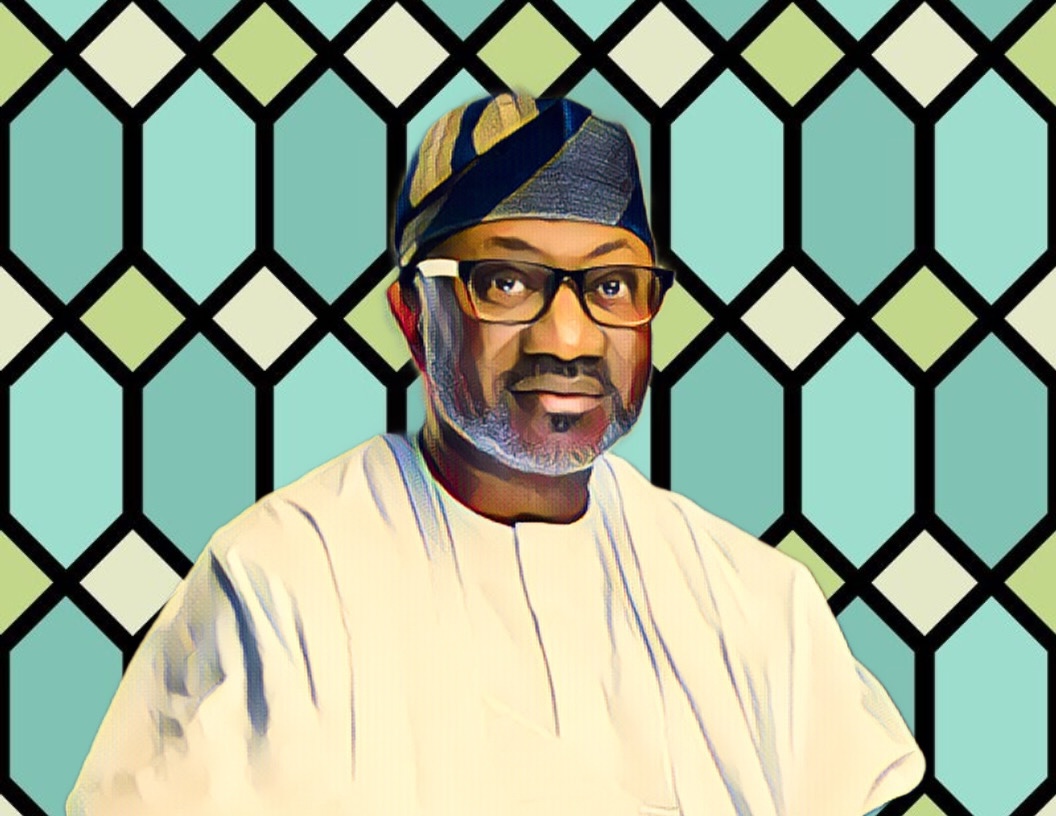
Billionaire oil magnate Femi Otedola has shared details of a dramatic confrontation with former Nigerian President Olusegun Obasanjo during a critical moment in the country’s fuel policy history. The face-off followed the 2004 deregulation of diesel, which had removed the NNPC’s grip on importation and subsidies.
In his soon-to-be-released memoir, Making It Big: Lessons from a Life in Business, Otedola describes being woken up by an irate Obasanjo over reports of a diesel shortage gripping the country.
“The President called me at 2am, screaming. He said: ‘You’re a stupid boy! God will punish you!’” Otedola writes.
“He was convinced I had deceived him into deregulating diesel and blamed me for the crisis.”
An emergency trip to Abuja
Otedola, who at the time led Zenon Petroleum, said he had assured the presidency that the private sector could efficiently handle diesel supply if deregulation was implemented.
But as diesel availability came under scrutiny, Otedola said detractors — including insiders at the Nigerian National Petroleum Corporation (NNPC) — rushed to frame him as the culprit.
“They told Baba that trucks couldn’t move and factories were shutting down,” he wrote. “Obasanjo was furious because he had acted on our advice.”
The businessman said he flew to Abuja the next day to clarify the situation in person. Obasanjo, still livid, confronted him again.
“He was shouting in my face. But I stood my ground and told him it was a coordinated attack by competitors and subsidy beneficiaries.”
“I had six ships waiting” — Otedola
To counter the misinformation, Otedola said he pointed to concrete facts: he had six ships filled with diesel waiting to discharge, and he was losing money due to demurrage charges.
“I told the president I was paying for delays. The diesel was available — the lies were coming from people who didn’t want deregulation.”
He proposed running front-page ads in national newspapers to inform Nigerians of diesel availability and price transparency.
NNPC allegedly behind the pushback
Otedola didn’t mince words when naming the source of the pressure campaign. According to him, NNPC officials who had profited from diesel imports and subsidies were the primary force behind the backlash.
“They were desperate to protect their rent-seeking position. With deregulation, they had lost control,” he wrote.
The clash, however, did not permanently damage his relationship with Obasanjo. The former president, he said, eventually trusted his account and moved past the incident.
“Once Obasanjo made up his mind about someone’s integrity, he didn’t let others influence him again.”
Diesel deregulation: a defining reform
The 2004 deregulation of diesel was a milestone in Nigeria’s energy sector, ending years of subsidies and monopoly importation by the NNPC. Zenon Petroleum quickly rose to dominance in the market, leveraging its supply chain and logistics capability.
“Zenon took an unassailable lead after deregulation,” Otedola noted. “But it also put a target on our back.”
Book set for August 18 release
Otedola’s memoir, Making It Big, will be published by his own imprint, FO Books, on August 18, 2025. The book promises to chronicle his business evolution and behind-the-scenes accounts of Nigeria’s economic landscape.